Empowering Youth: The EYES Project’s First Interactive Exercise Unveils Hidden Cultural Stories
The EYES project has recently completed its first interactive exercise, marking a significant milestone in its mission to engage young people with cultural heritage. Participants from five European countries—Belgium, Serbia, Hungary, Germany, and Poland—stepped out of traditional learning environments to actively explore the rich histories and traditions embedded in their local communities.
To support their journey, the project provided three essential tools:
- A Cultural Heritage Guide that introduces young people to the concept of cultural heritage and highlights its many fascinating stories;
- A Repository of Best Practices, which offers inspiring examples of how cultural heritage can be presented in engaging and interactive ways; and
- Cultural Investigation Guidelines, providing clear, step-by-step instructions for conducting heritage research.
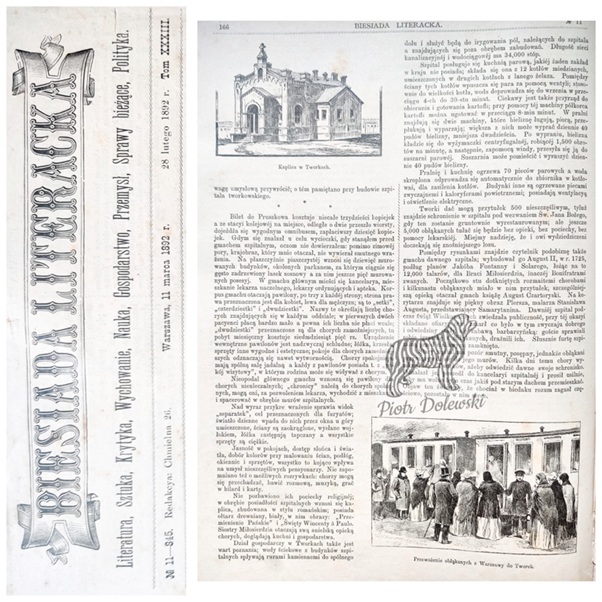
With these resources in hand, the young researchers delved deeply into their own cultural histories. They conducted interviews with local experts, carried out fieldwork, and explored archives, uncovering remarkable and often overlooked stories. These included the role of music and dance in shaping the communities of Budapest, the legacy of the Ahmadiyya community in the German city of Mönchengladbach, the historic kindergarten at Warsaw’s Tworki Hospital, the connection between cycling and urban identity in Novi Sad, and the rich heritage of Mons’ city center.
The exercise delivered a powerful and inspiring message: youth are not just the future—they are the present. Their fresh perspectives, creative ideas, and innovative approaches remind us that listening to young voices can reveal new possibilities for our everyday lives and show us ways how to overcome present day’s challenges. By empowering young people to explore and interpret their cultural surroundings, the EYES project is fostering a new generation of curious, engaged, and insightful thinkers who are capable of seeing the world through a different lens.
The project is now eagerly preparing to enter the second major phase, which will focus on transforming these research findings into interactive guided tours. These tours will allow people to experience local heritage in a dynamic way, connect with the personal stories of today’s youth, and actively engage with their cultural backgrounds. Starting after the summer holidays, the young participants will learn how to use modern digital tools to create these tours. They will develop skills in turning their research into compelling narratives, designing visually appealing booklets, and enriching their tours with interactive elements such as quizzes and games. By the end of this phase, the participants will have gone through the entire process of producing a digitized guided tour, from the initial stages of topic selection and research to the final step of digitally enhanced storytelling.